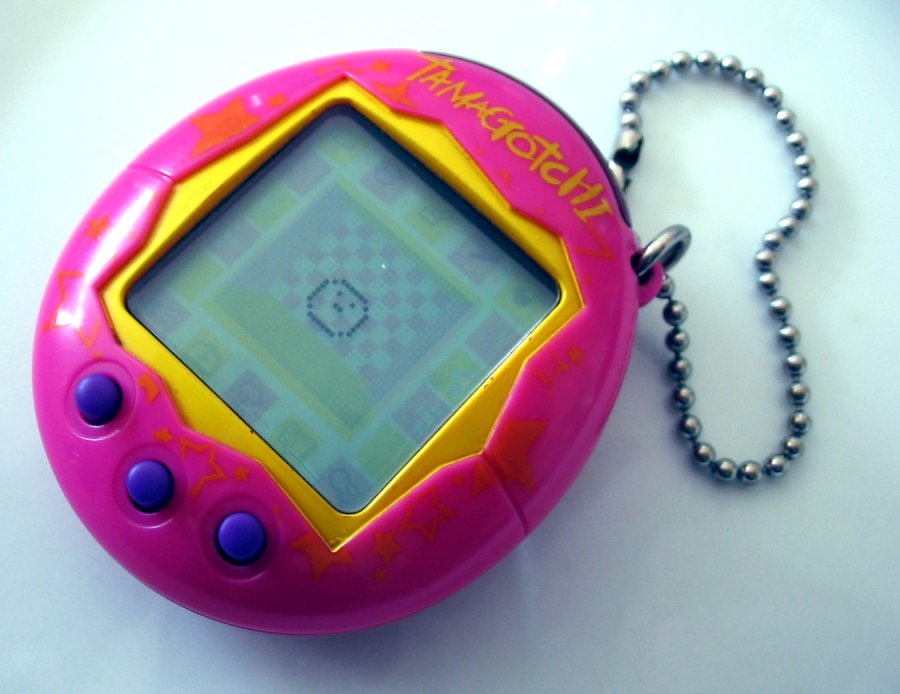
Not as good a plot twist as Die Hard 4, the definitive Bruce Willis masterpiece, but still. Not bad.
In my experience playing and then writing the skeleton for a review of Grand Theft Auto V, however, I spent hours of time delving into the media frenzy swirling around it; the articles denouncing its violent mannerisms, the excited reviews from video game fans and developers worldwide, the news reports of its record-breaking sales (literally being the fastest selling thing ever). I felt I had familiarized myself with the game very well before actually playing it, and as a result the psychological profiles and personality traits of the characters I played as were ingrained in me before I had ever actually picked up the controller to inhabit their personas. I knew the game was going to be about a gang of bank robbers that had run aground on their biggest heist and had went their separate ways; I also had concluded ahead of time that there would be a climactic bank heist once again to close out the game. I was prepared, then, for the usual Grand Theft Auto formula: solid gameplay, incredible open-world capabilities, steadily improving graphics and a storyline that followed the usual rise-to-power arc of a criminal and the pitfalls of such a lifestyle.

Picture a utility belt like this, only instead of various weapons and incredibly specific and useful tools, there was a bag of Cheetos and several bottles of iced tea. That's what I went into GTA V with. I may or may not have been wearing a Batman Halloween costume as well, but that's not super relevant.
Imagine my surprise, then, when halfway through the game I was struck by the realization that it was functioning as an homage to all my favourite crime movies (and I've got a lot of them). Usually, the Grand Theft Auto series is good for a lot of pop culture references and easter eggs (hidden in-jokes buried within the content of a game left for players to find for no other reason than personal enjoyment). However, what it has not been good for is the character development of the main character; most of them feel flat, or otherwise incredibly stereotypical. While GTA V does have that still to some degree, it is balanced by the fact that it has not just dropped pop culture references randomly all over the narrative; the entire narrative is functioning as one giant love letter to heist films.
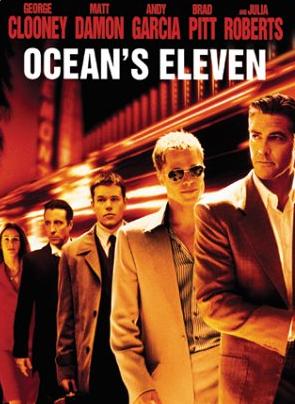
Before there was the mess that was Ocean's Twelve, and Thirteen, and presumably Ocean's Eleven and a Half at some point: there was this masterful remake, which re-ignited a lot of people's passion for good heist films. Guy Ritchie proceeded to cash in for the next decade.
It's very interesting how this functions throughout the game. Previously, I had a static list of expectations I believe the game would meet based on its history in the video game world. Halfway through, however, I had to shift those expectations from one of a stagnant gangster narrative to one of a playful adaptation of several popular crime movies. A big chunk of the narrative owes a lot to Guy Ritchie films - the fast-paced action scenes combined with the snappy, witty dialogue remind me a lot of the movie "Lock, Stock and Two Smoking Barrels". The sudden shift of my expectations left me disoriented, but in a good way. I was no longer inhabiting the world of Grand Theft Auto for the fifth or sixth time (if you count expansions). I was inhabiting the world of Grand Theft Auto as seen through the lens of a Hollywood crime film, and although that might seem incredibly similar, it could not have made this game any more different from its predecessors short of making it a seadoo-racing game.

The main cast: a big change from the usual solo-protagonist presentation of the past games.
The biggest change this homage brings is the use of three protagonists instead of the usual one. Much like heist movies will frequently switch perspectives between the various characters who operate inside specific roles in the narrative, GTA V has you inhabit the three main characters at key moments in their own personal narratives. This has two effects: first, the plot can be much more complex than it usually is in the series, as the shift in perspectives allows for the creation of layers of significance in each action. Secondly, it gives the game three distinct "flavours": each character is very different, with Michael the wealthy but despondent success story, Frank the hesitant gangster struggling with his life choices, and Trevor, an absolute psychopath. There are some very uncomfortable moments when you are forced to be these characters, and I am by no means claiming them to be successful characters in comparison to most other narratives; but here, in the vacuum of the GTA series, this is a large step forward.
GTA V is a game with a lot of flaws. It has been rightly criticized as being a misogynistic interpretation of our current society. The dialogue goes through peaks and valleys, at times seeming taut and super-charged with biting cynicism while at others seeming to be written by a rich middle-school child with very little real world experience (or interaction). As an artistic piece, an addition to the gaming literature as it were, GTA V is probably a failure. However, in the scope of its own history, and the public perception and expectation from publishing studio Rockstar, this game does something the series, and most video games recently, have been extremely hesitant to do. It feels no shame about ripping off successful tropes in popular genres, and because it executes them at a level that is at least passable, it becomes better for it.
Perhaps the next step will be writing and execution on par with Uncharted, the only other series that has been shameless in its homage to what inevitably spawned its creation (in this case, Indiana Jones). As it stands now, though, given the commercial success of GTA V, some other big name studios might be at least tempted to try.